
Identify a Gem County Property Owner
One name on one screen is never the whole answer. Figuring out who owns a Gem County property means comparing records rather than trusting a single display. The public ArcGIS map is the natural starting point. Type an address or a place name. The parcel popup that opens can show Owner 1, Owner 2, the PIN, both the property and legal addresses, a deed reference, and acreage. That popup is your doorway into the recording system.
- Search the address in the Gem County Parcel Map and select the parcel.
- Copy the PIN, legal address, displayed owner fields, and Deeds value.
- Search that instrument in the Gem County Recorder index and compare its legal description.
- Read the role table. The grantee received the interest; the grantor conveyed it.
- If an entity holds the deed, preserve its exact name and check its filing in Idaho SOSBiz.
A blank or stale-looking map is not the end of the road. Ask the Assessor instead of guessing at an owner. The office takes public assessment-record questions through its stated mail, email, fax, and dropbox channels.
Gem County's Displayed Owner Fields
On the map, the popup title pairs the PIN with Owner 1. The body can add Owner 2, the address, the legal address, deeds, and acres. This is an assessment-side display, not a searchable owner directory. The public interface offers a single-line address and place geocoder. No owner-name or APN result table sits behind it. Treat Owner 1 and Owner 2 as display labels only. They say nothing about shares, marital status, possession, or authority to sign. A dash just means a missing display value, not a legal conclusion. When the question truly matters, ask the Gem County Assessor to verify the record. Ask for the public assessment record.
When Gem Owner Records Lag
Deed records and assessment displays do not move in lockstep. Gem County publishes no fixed refresh interval for its ArcGIS owner fields. The Elk View Estates #2 packet shows the local pattern clearly. A new PIN split from a parent tract follows a May 1 recording rule. That rule governs appearing in that year's assessment and tax roll. That packet does not promise a set lag for every sale. It simply explains why a newly recorded conveyance, a new parcel, or a boundary adjustment can show up in one system before another. Timing sometimes matters. Then compare the latest Recorder detail against the Assessor's response. Say which source you checked. Note: Keep the parent PIN when a new parcel has not appeared yet. It preserves the link to the earlier record.
Compare Gem County Ownership Sources
No single source settles "who owns this property?" The parcel map ties a name to a mapped assessment unit. The Assessor maintains the assessment-side record. The Recorder index documents recorded transfers in the deed records. Idaho's business registry explains what an entity name is. It never proves that entity owns land.
| Ownership Source | What It Contributes | Freshness Check |
|---|---|---|
| ArcGIS parcel popup | Owner 1, Owner 2, PIN and deed lead | No published refresh interval |
| Assessor record | Owner of record and assessment-side facts | Confirm directly when stale or blank |
| Recorder deed detail | Grantor, grantee, date and legal description | Use the newest matching instrument |
| SOSBiz | Entity and assumed-name filing context | Not evidence of parcel title |
An owner of record is the person named in the official record you are consulting. An entity can also hold that title. An occupant is simply someone physically present on the land. Public land records do not establish occupancy, so keep the two ideas apart. The official Assessor page supplies the county contact and the map route.
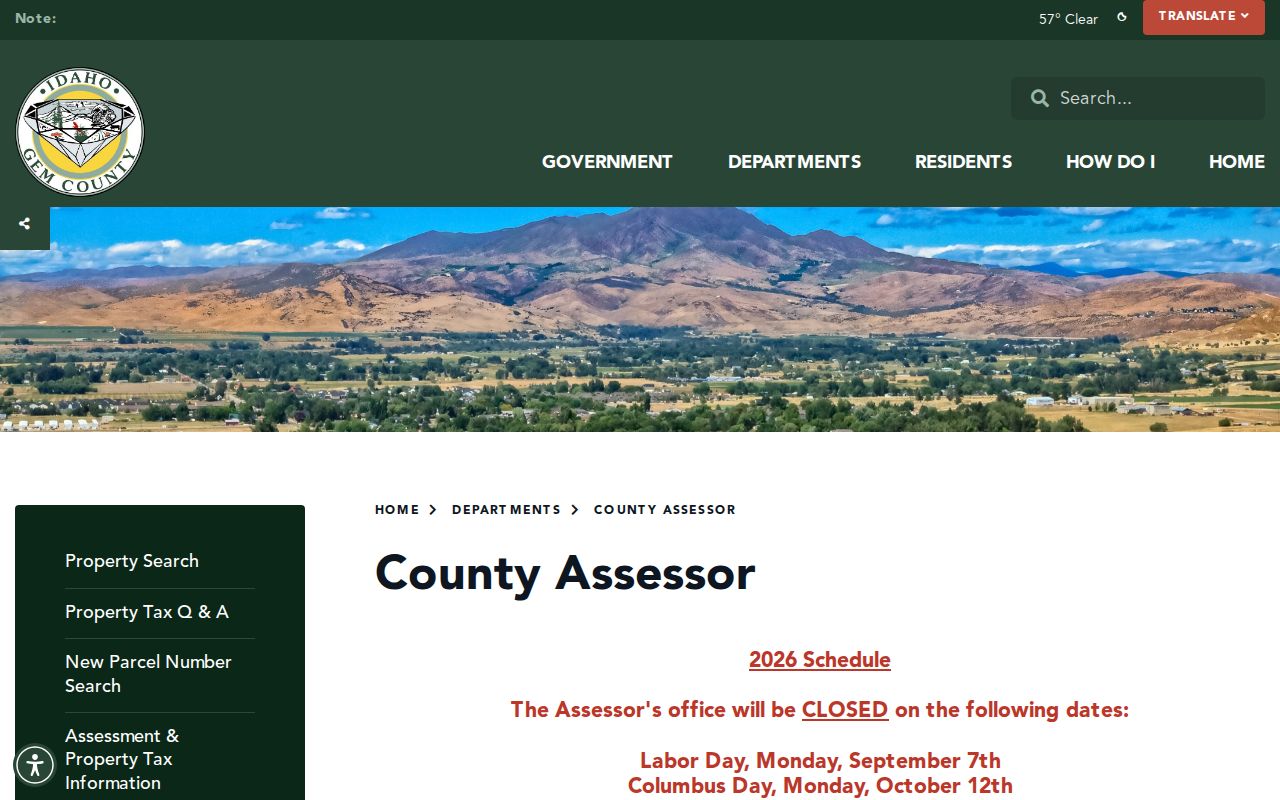
The captured source shows where to escalate a blank or stale owner display.
A Gem County Deed Check
Instrument 331389 shows how recorded roles bring order to a name list. The detail identifies a 2021 warranty deed, Hallson Development LLC as grantor, the Ellis grantees, and Lot 1, Block 1 of Sosoni Place Subdivision. It is a method lesson, nothing more. That record does not establish today's owner. A grantor conveys the stated interest. A grantee receives it. The legal description ties those people or entities to the land, while the recording date places the event in sequence. Match every one of those fields before treating a search hit as the right one.
- Owner of record
- The owner name in the official record being read.
- Grantee
- The party receiving the interest in a deed.
- Title
- The legal ownership interest, which a name display alone cannot establish.
- Situs address
- The physical property address, distinct from an owner's mailing address.
Gem County Entity-Owned Property
The owner of record may be an LLC, a corporation, a trust, or an estate. It may not be a person at all. Copy the deed spelling exactly. Idaho SOSBiz adds business-entity, assumed-name, registered-agent, and filing context. That state record still does not substitute for the county deed. A trust name may carry no public business filing at all. An estate transfer may require a probate case. It may also require a personal representative's authority and a recorded deed or affidavit. General case information is available through myCourts. Actual court documents may require the Gem County clerk or a courthouse kiosk under Idaho court access rules. Keep the inquiry tied to the property transfer itself.
Gem County Recording Notifications
The Recorder offers a Recording Notification Service. It emails a subscriber whenever a document is recorded in that subscriber's name. It is a useful alert. It is not fraud insurance, title protection, or proof that a challenged document is valid. Check any suspicious notice through the official Clerk-Auditor-Recorder contact. Think of it as an insider safeguard for after the owner question is resolved. It does not search all property tied to a name. It also does not replace review of the specific instrument.
Limits on Gem County Owner Lookups
A public lookup can tell you who owns a mapped parcel. It relies on a named source and date. It cannot prove who occupies the land. It cannot expose a beneficial interest behind every trust, resolve competing claims, or certify marketable title. Protected addresses and sealed records may also limit what any display shows. Idaho's Address Confidentiality Program gives eligible people a substitute-address and mail-forwarding route.
Lawful use. Use Gem County owner records for a legitimate property purpose. Never use an owner name or address to stalk, harass, intimidate, or harm anyone.
For detail on who holds a parcel today, the Gem County current owner record is the right starting point. When a certified conclusion matters, hand the parcel number and deed records to a title professional or the Clerk/Recorder.